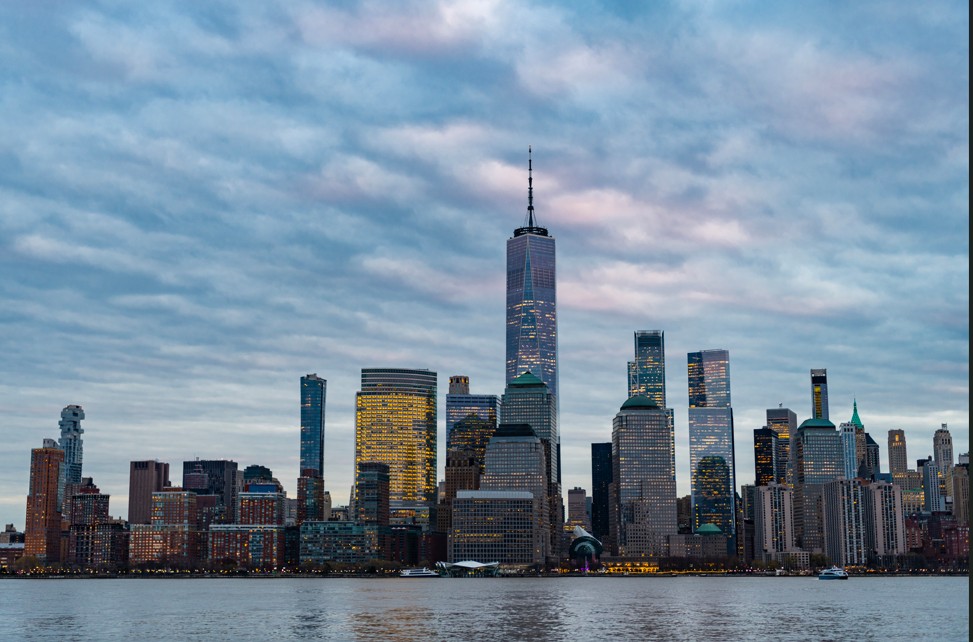
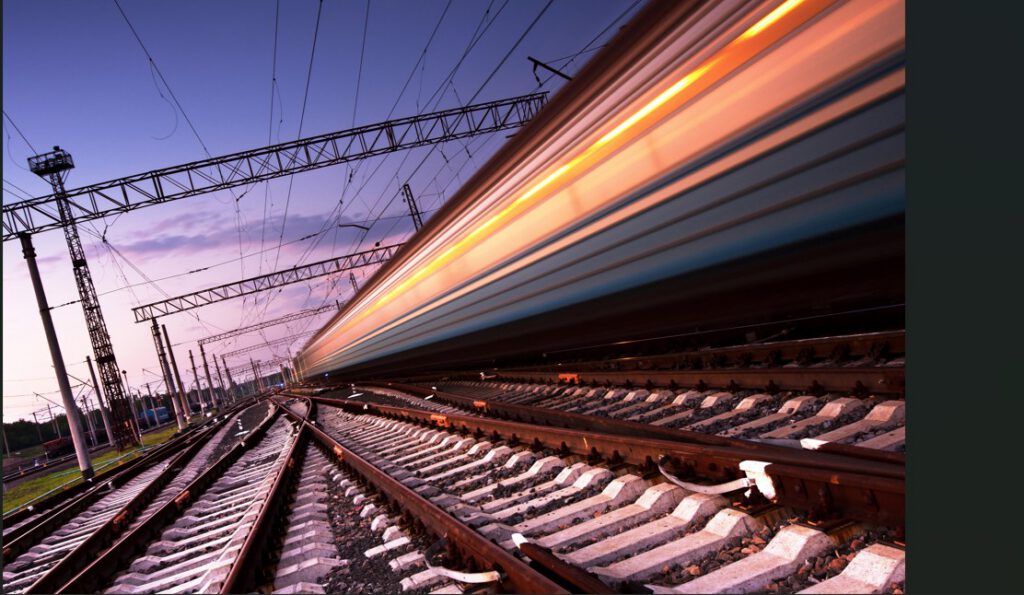
The opening lyrics to Radiohead’s 1997 “Let Down,” which is, partly, about being in transit, which New York always is. And transit news is splashed across paper headlines and websites as New York forges ahead with implementing congestion pricing barring a court injunction stemming from several lawsuits.
As a former reporter I regularly reported on transportation issues. Prior to living in New York, my main transport was the vehicle to get to and fro so I wasn’t entirely immersed in transport policy and projects. But I started regularly traveling to Washington, DC via Amtrak in 2013 to cover and report on transportation issues at the pivotal House Transportation and Infrastructure Committee.
Those meetings regularly featured hearings on Amtrak’s fiscal performance and network, with mostly Republican representatives peppering Amtrak executives with questions about Amtrak’s long-distance routes that they deemed as a money pit. Amtrak’s CEO and others would retort that Amtrak’s long-distance routes were an essential form of transportation in so many remote and rural areas of the country because they lacked access to other forms of transport.
One of the most memorable exchanges occurred when the late Amtrak CEO Joseph Boardman endured not only tough questions but commentary from former T&I committee member John Mica (R) from Florida. Mica was always quick to describe Amtrak as a “Soviet-style railroad” because he believed private passenger railroad companies (none existed at the time) should break Amtrak’s “monopoly” along the Northeast Corridor, America’s busiest passenger railroad line between Boston and Washington, DC.
Mica typically referred with mockery to Amtrak’s introduction of high-speed rail service with the Acela, saying that when the new service launched in 2000, the new trains couldn’t reach their full high-speed potential because Amtrak specs to the manufacturer prevented the new trains from utilizing a tilting mechanism to navigate curves.
Ten years later, Mica must be more pleased because there is now a private passenger railroad company, Brightline, operating in his home state of Florida, running a line between Miam in the south to Orlando to the north.
And the company has bigger plans. It just broke ground on a new high-speed rail line in the West, with the objective of connecting Las Vegas to Southern California. And even probably more pleasing to Mica, the line received a big injection of federal money of $3 billion to see it completed before the Summer 2028 Olympics in Los Angeles.
Another meeting and hearing at the House T&I included California officials from the California High-Speed Rail Authority; they too were peppered by mostly Republican representatives with questions about the wisdom of building a high-speed rail line between Los Angeles and San Francisco.
In fact, the chair of the T&I in 2013 was Jeff Denham (R), from California, who was harshly opposed to his state’s endeavor, saying he thought one solution to provide more transit options would be to add more buses on the congested highways.
In January, 2015 California broke ground on its LA to SF line, with most of the work nearing completion in the Central Valley between Bakersfield in the south to Merced in the north, which has been the subject of both celebration and derision. Proponents say the project is progressing; detractors saying who’s going to ride a train in the Central Valley on a shortened route.
Like California’s high-speed rail project, New York’s congestion pricing has detractors and supporters (I support it because I dig big infrastructure investments). The plan per the Metropolitan Transportation Authority is to charge drivers $9 for entering the Central Business District below 60th Street, with some exemptions and no tolling on the FDR Drive and West Side Highway.
An eclectic mix of groups, organizations and officials such as The United Federation of Teachers, New Jersey Governor Phil Murphy and New Yorkers Against Congestion Pricing Tax have all filed lawsuits to oppose it. And yesterday a major NYC union leader called on President-elect Donald Trump to outright crush it when he enters office in January.
But there is a big groundswell of support for it, particularly among groups such as the Rider’s Alliance, elected officials such as veteran congressman Jerrold Nadler and, probably, people stuck in traffic on a bus.
Governor Kathy Hochul took a big hit from transit advocates when she intervened in June to pause the program, saying that still ongoing inflation was the reason. But now she’s taking big heat for trying to re-start it, although she’s reduced the tolling price.
The Metropolitan Transportation Authority has announced that the annual $500 million (down from the $1 trillion) it’ll realize from a $9 toll (down from $15) will go towards a bevy of new projects.
- Second phase of the Second Avenue Subway from East 96th Street to East 125th Street, and probably west along 125th to Broadway
- Interborough Borough Express, connecting riders to 17 subway lines between Brooklyn and Queens
- New subway cars, electric buses and major signal upgrades like Communications-Based Train Control that already exists on the 7 and L lines, the two lines with the best on-time performance in the network.
Countries like China have been spending and splurging on infrastructure for a while. In 2008, the country had no high-speed rail lines. Today, there’s nearly 30,000 miles of track, and it’s planning for over 40,000 miles by 2035.
Big transit suits New York.