Nearly one month after the national election and politics, here on the local level, goes on. In New Rochelle, New York, the City Council is on the verge of passing a $285M budget, learning that first-hand at a meeting for the New Rochelle Democrats yesterday. As a new district leader in the community, there’s the opportunity to hear directly from a variety of elected leaders.
The current Westchester County Executive, George Latimer, handily defeated the incumbent representing New York Congressional District 16’s Jammal Bowman. In fact, I participated in the campaign this past summer.
I was phone banking and canvassing to inform Jewish voters in Westchester County the importance and necessity of voting in the June primary contest between Latimer and Bowman.
The organization I worked for was non-partisan, but a lot of voters in Westchester were upset about Bowman’s broadsides against Israel, so even though I was not advocating for a particular candidate in the field I was nonetheless explaining why it was important to vote in the election regardless of how people were going to vote.
Latimer’s victory was decisive, and he’s heading to Washington, DC in January 2025. On this website’s previous posts, you’ve read about transportation and infrastructure.
Latimer won’t know the committees he’ll serve until the new January session but a seat on the House Transportation & Infrastructure Committee would help towards ensuring New York’s, especially CD-16, projects are funded with federal dollars.
Three years this month President Joe Biden signed off on a $1.2T Infrastructure bill, and the country has seen massive investments. The legislation and the onset of projects around the country didn’t seem to convince most of the electorate about how pivotal those investments are.
The tangible effects and outcomes of those investments aren’t necessarily in focus in the context of other pressing issues and messaging from competing candidates and campaigns.
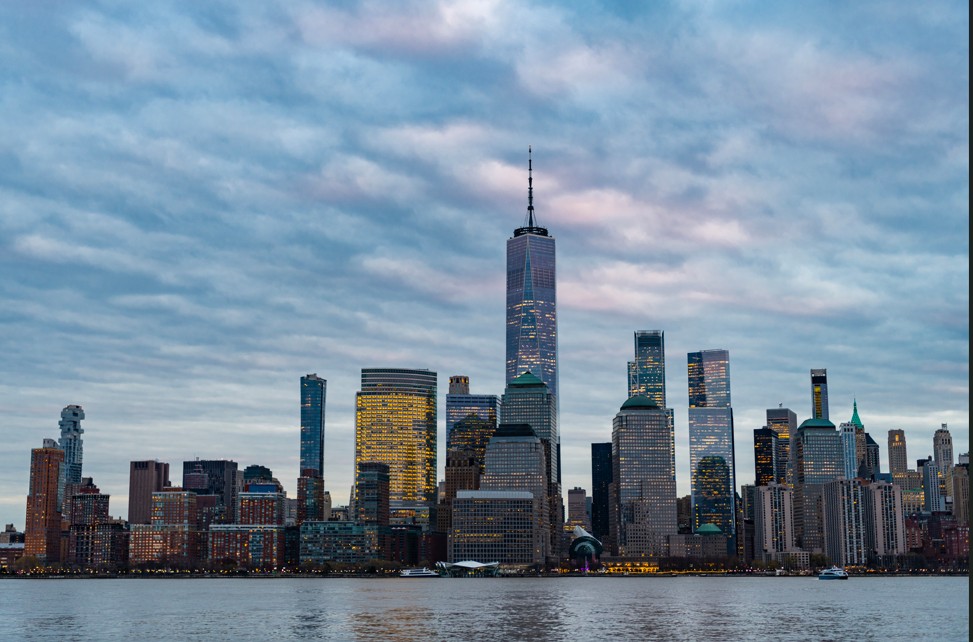
Nonetheless, in New York, the groundbreaking earlier this year of a massive new passenger rail tunnel under the Hudson River between New York and New Jersey is one such example of the federal government’s commitment to acting big.
Democrats have expressed concern that federal dollars to the states may dwindle under the incoming Trump administration because of his focus on reducing government spending, which in many circles was derided as a major cause of inflation.
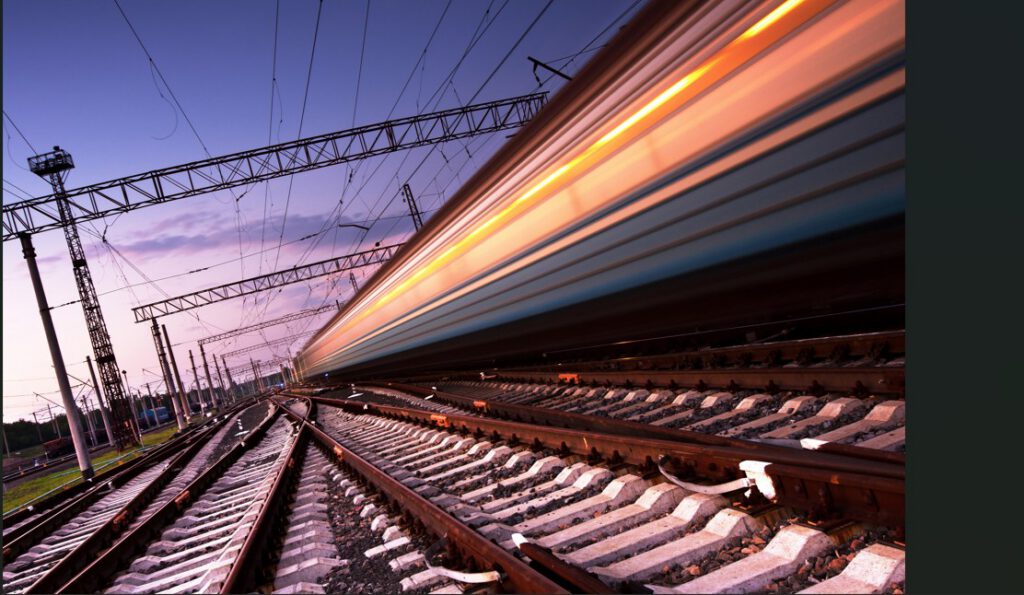
But the new rail tunnel, dubbed the Gateway Project, couldn’t happen without a significant federal investment. The new tunnel calls for two new tunnels to accommodate higher passenger traffic, and most urgently, to replace an existing tunnel that is over 110 years old (the new tunnel won’t open until 2032).
This interest in transportation and infrastructure is why I find politics both fascinating and frustrating. Fascinating when there are announcements for progress on, say, aging passenger rail infrastructure and frustrating when the investments are denied or directed towards other modes of transport that regularly and already receive critical investments.
Not only did Biden invest in rail, but the Inflation Reduction Act also committed billions in federal investments to jump-start new forms and mechanisms to produce cleaner electricity and reduce overall greenhouse emissions, including the transportation sector.
As a reporter, I was always eager to travel to Washington, DC to cover and report on a variety of topics, but my favorite was the House Transportation & Infrastructure Committee because that’s where the pull and tug of federal priorities played out.
For sure, they play out in the numerous other committees, but transportation was my beat, and I had the opportunity to witness a sampling of how both Democrats and Republicans weighed in with their perspectives.
I’ve previously reported here that the former chair of the House T&I Committee was Jeff Denham, a Californian Republican from the Central Valley, Bakersfield.
He was outright and adamantly opposed to the build-out of a high-speed rail line between San Francisco and Los Angeles, although transit advocates in the state had been advocating for years that, with projections of California’s population expected to go from 39 million today to over 50 million by the 2030s, it couldn’t efficiently expand highways and airports without further congestion on the roads and air.
The advocates made their case by pointing to other places like China, Europe and Japan (where the world’s first high-speed rail line started in 1965) where high-speed rail lines have been built and annually ferry millions of riders each year.
But Denham and then, in 2013, another up and coming California Republican from the Central Valley, Kevin McCarthy, would maintain their opposition as they described their state’s endeavor as a boondoggle.
They advocated instead for more highway repair work and expansion, while the former California Democratic Governor Jerry Brown, who was governor when the California project broke ground in January 2015, said “we have to put the Building Trades to work to build great things.”